Richard Cooke is Tired of Winning

Richard Cooke is Tired of Winning

One of the blessings of my life is having librarian research assistant. He’s a result-getter. He digs up books on loan from libraries in places that are not on Rand McNally maps. But his real knack is having gotten used to sense what may interest me.

In short Chuck knows what piques my interest. So, I returned after twelve days away and there I find, on my credenza the title “Tired of Winning” by Richard Cooke. Serendipity? Maybe.

Published by Black Inc. Books., (Melbourne, Australia. 2019) written  by the Australian author Richard Cooke, who is considered an expert on American culture and politics.

Cooke is an Aussie journo who’s been in the game for over two decades. He’s penned articles for some of the country’s biggest newspapers and regularly pops up on the telly. Cooke’s got a knack for breaking down Aussie and American politics, and his writing is as clear as a sunny day. He’s a big believer in independent journalism and has scooped up a stack of awards for his work.  Before I was about to hand the book back I looked inside to see who is it that is tired of winning?

One essay – titled Energy Exchange, Cooke describes the summer of 1968 in Chicago. He quotes an array of journalistic print reports of what has happened. Sometimes in details… Second hand, maybe, third hand… Most reporters or all passed by now.

The gist is – if you’re interested – is follows here:

Things got pretty intense in Chicago in the summer of 1968. Thousands of anti-war protesters showed up during the Democratic National Convention to make their voices heard against the Vietnam War. Things took a bad turn when the protests turned violent, and police clashed with the demonstrators. The whole thing was caught on TV, and it really shook up the country.

The violence hurt the Democratic Party, and it’s thought to have played a role in Richard Nixon winning the 1968 presidential election. When I arrived in Chicago in 1976 no one remembered the summer of 1968. After the winter of 1977 a new mayor (Michael Bilandic) was in office and four years later Jane Byrne was elected becoming the first woman mayor in Chicago. She cleared the way to the next woman mayor – Carol Mosley Browne – a trail blazer – who went on later to be the first Black woman U.S. Senator from Illinois.

But  Richard Cooke is not interested in gender studies or minority studies in America.

Having done with Richard Nixon, the villain Republican, Cooke brings us to a real time villain – Donald Trump.

2017 to date is a never-ending gift that keeps giving to political journalists and the publishing houses.  The journos write, the publishers print, hard-bound books produced, and there they sell.

Never mind that Trump’s presidency was marked by four years of peace on earth. No inflation in the US.  A vaccine was produced in warped speed.  Putin didn’t dare invade Ukraine again. 

Yet the White House theatrics season was on, and still provides nutritious manna from heaven to political journos. Bob Woodward and Simon & Schuster and them-else keep on releasing political journalism fiction books.

Here Cooke re-litigates the Russian Collusion by Trump & sons. (“A Conspiracy”). Never mind that the Mueller report evaporated into a black hole in a parallel universe. Mueller who?

Well, its evident that Cooke is a visiting Trump hater.

Michiko Kakutani was The New York Times famed book reviewer.   A 2017 article by The New York Times titled “38 Years on Books: The Essential Michiko Kakutani Reader” stated that she “wrote more than 4,000 book reviews” during her tenure at the newspaper. Another source – “Michiko Kakutani: The Power of Criticism” by Jennifer Schuessler, suggests that she penned “an estimated 10,000” reviews.
Richard Cooke has something against Kakutani in this essay –  “Truth Kicks the Bucket”.

You see, journalists make a living from minding other peoples’ business. When they stop reporting facts and report their opinions about other peoples’ behaviors and beliefs, they are gossipers for hire.

Classic example The Guardian – is a Marxist leaning British paper – described Carlos Lozada’s from the Washington Post book as, “…analyses 150 often trashy books about someone who is not known to have read a single book and hired stooges to write the 20 self-puffing volumes published in his name.”

Tired of Winning is one more volume in my “Trumpian Bibliotheca”.

MAGA – Richard Cooke – regardless of your splendid cognitive convolutions in print – is still America the great!

I remain grateful to Chuck Gillen III. He who provides me with reads and write fare of esoteric books.

Now the book goes back to the public library.

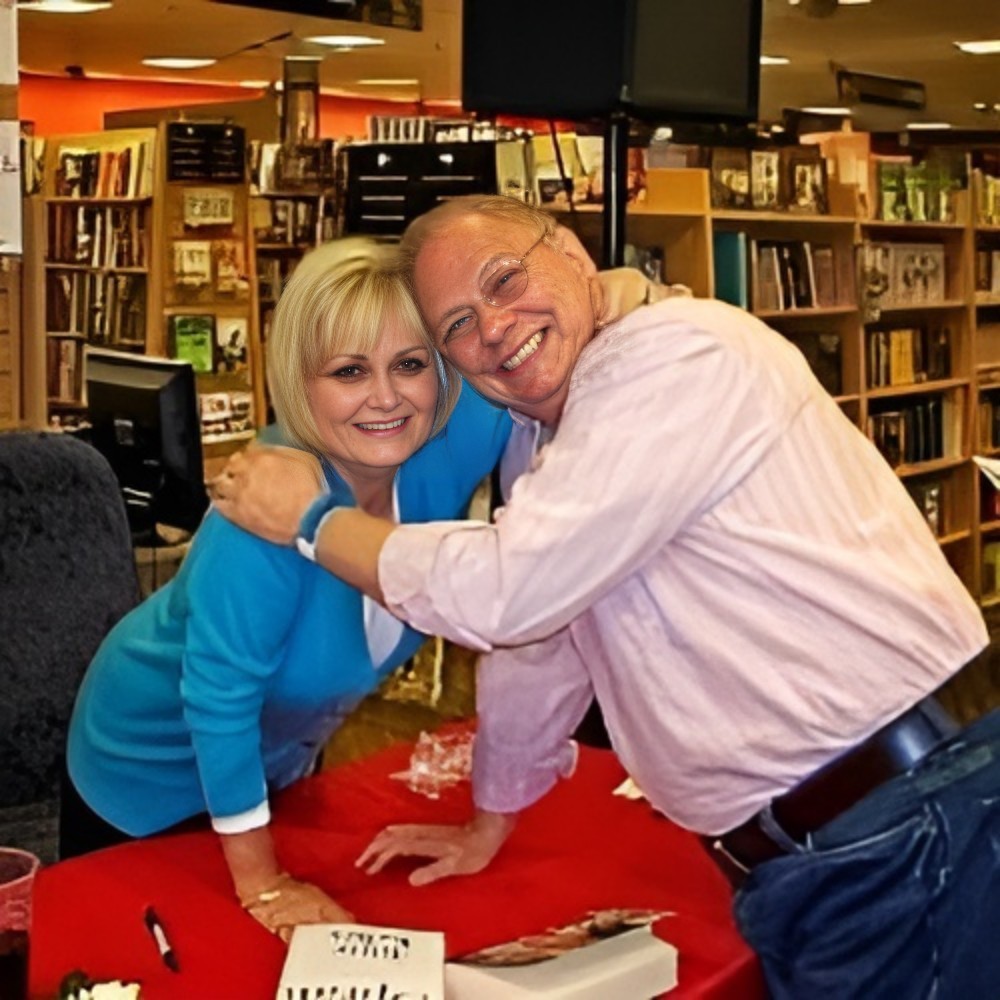
The author Kitty Kelly with me at a bookstore

www.mandylender.com  www.mandylender.net  www.attractome.com

Tags: #RichardCooke #tiredofwinning #MAGA #DonaldTrump #CarlosLozada #ChuckGillen #MichikoKakutani #TheNewYorkTimes

Posted in Biblioteca Trumpiana, Business, Chicago Notebook, Creativity, serendipity, Truth, Uncategorized | Tagged , , , , , , , , , , , , , , , , , , , , , , , | Leave a comment

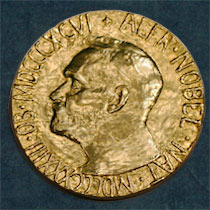
DO NOBEL PRIZE LAUREATES GET ALZHEIMER’S DISEASE?

Bright minds lead to great achievements. I suppose that a Nobel laureate demonstrated great achievements because they have each a great mind.

It turns out that the human mind is fickle and unpredictable.  The causes may be due to psychologic reasons or to organic brain diseases.  

Great intellect is considered to be a deterrent of dementia. The question I asked myself is do Nobel Laureates develop Alzheimer’s disease?

Determining the exact number of Nobel Prize laureates who have developed Alzheimer’s disease is a complex task due to several factors.

 Firstly, the diagnosis of Alzheimer’s can be challenging and may not always be officially recorded in medical records.

Second, some individuals may have experienced symptoms of cognitive decline but never received a formal diagnosis. Additionally, information about the health conditions of Nobel laureates may not be publicly available or accurately documented.

Despite these limitations, available evidence suggests that a significant number of Nobel Prize laureates have suffered from Alzheimer’s disease. A 2018 study published in the medical journal “Neurology” found that approximately 20% of Nobel laureates in the natural sciences had developed Alzheimer’s disease, compared to around 10% of the general population.

Wow. This elevated risk among Nobel laureates could be attributed to several factors, including their advanced age, exposure to environmental toxins, and the intense mental demands of their work.

However, more research is needed to fully understand the relationship between Alzheimer’s disease and intellectual achievement.

Here are some specific examples of Nobel Prize laureates who have been diagnosed with Alzheimer’s disease:

  • John O’Keefe, a Nobel Prize laureate in Physiology or Medicine (2014), was diagnosed with Alzheimer’s disease in the early 2000s. O’Keefe’s pioneering research on the brain’s positioning system, which earned him the Nobel Prize, continued despite his cognitive decline.
  • Harold Pinter, a Nobel Prize laureate in Literature (2005), was diagnosed with Alzheimer’s disease in 2002. Pinter’s playwrighting career spanned over five decades, and his works explored themes of power, memory, and identity. His diagnosis of Alzheimer’s significantly impacted his later works, which often reflected on the themes of memory loss and mental deterioration.
  • Martti Ahtisaari, a Nobel Peace Prize laureate (2008), announced in 2018 that he was suffering from Alzheimer’s disease. Ahtisaari, a former president of Finland, has been a prominent figure in international diplomacy and conflict resolution. His diagnosis has not diminished his commitment to peacebuilding efforts.
  • Rita Levi-Montalcini, a Nobel Prize laureate in Physiology or Medicine (1986), was diagnosed with Alzheimer’s disease in the late 1990s. Levi-Montalcini, a neurobiologist, made groundbreaking discoveries about the nervous system’s development and growth. Her research has had a profound impact on our understanding of the brain and its disorders.
  • Eric Kandel, a Nobel Prize laureate in Physiology or Medicine (2000), was diagnosed with Alzheimer’s disease in 2016. Kandel, a neuroscientist, has conducted extensive research on the cellular and molecular mechanisms of learning and memory. His work has provided valuable insights into the causes and potential treatments of Alzheimer’s disease.

These examples highlight the impact of Alzheimer’s disease on individuals who have made significant contributions to society. As our understanding of Alzheimer’s disease improves, we are gaining a clearer picture of the prevalence of this condition among Nobel laureates and the general population.

www.mandylender.com  www.mandylender.net  www.attractome.com  www.lendercombinations.com 

Tags: #Alzheimersdisease #NobelPrizelaureates #dementias

Posted in Artificial Intelligence, Creativity, existentialism, HEALTH AND WELLNESS, MEDICINE, Mind - Body, Uncategorized | Tagged , , | Leave a comment

MEDICAL POLITICAL CORRECTNESS

Original Reference:

Reinisch, J. M., & Russo, M. A. (1999). Would you say you “had sex” if…? A survey of college students’ definitions of sexual intercourse. Journal of the American Medical Association, 281(3), 275-277.

This article was published in the January 20, 1999, issue of JAMA. It is now deleted. It reported on a survey of 599 college students at a large Midwestern university that found that only 40% of the students considered oral sex to be “having sex.” The article was published at the same time that President Bill Clinton was being impeached by the House of Representatives for perjury and obstruction of justice, and some critics accused the journal’s editor, Dr. George Lundberg, of publishing the article in an attempt to influence the impeachment proceedings. Lundberg was fired from his position as editor of JAMA shortly after the article was published.

Here are some additional sources that discuss the firing of Dr. George Lundberg:

“JAMA’s Editor Fired Over Sex Article” (National Center for Biotechnology Information)

“Medical Journal Editor Fired” (The Washington Post)

“AMA BOOTS EDITOR OVER SEX SURVEY” (New York Post)

www.mandylender.net  www.mandylender.com  www.attractome.com  

 Tags: #politicalcorrectness #sex #sexinmedicine

Posted in Alternative Medicine, MEDICINE, Uncategorized | Tagged , , , | Leave a comment

DAFNA LENDER ON BOOK TOUR STOP

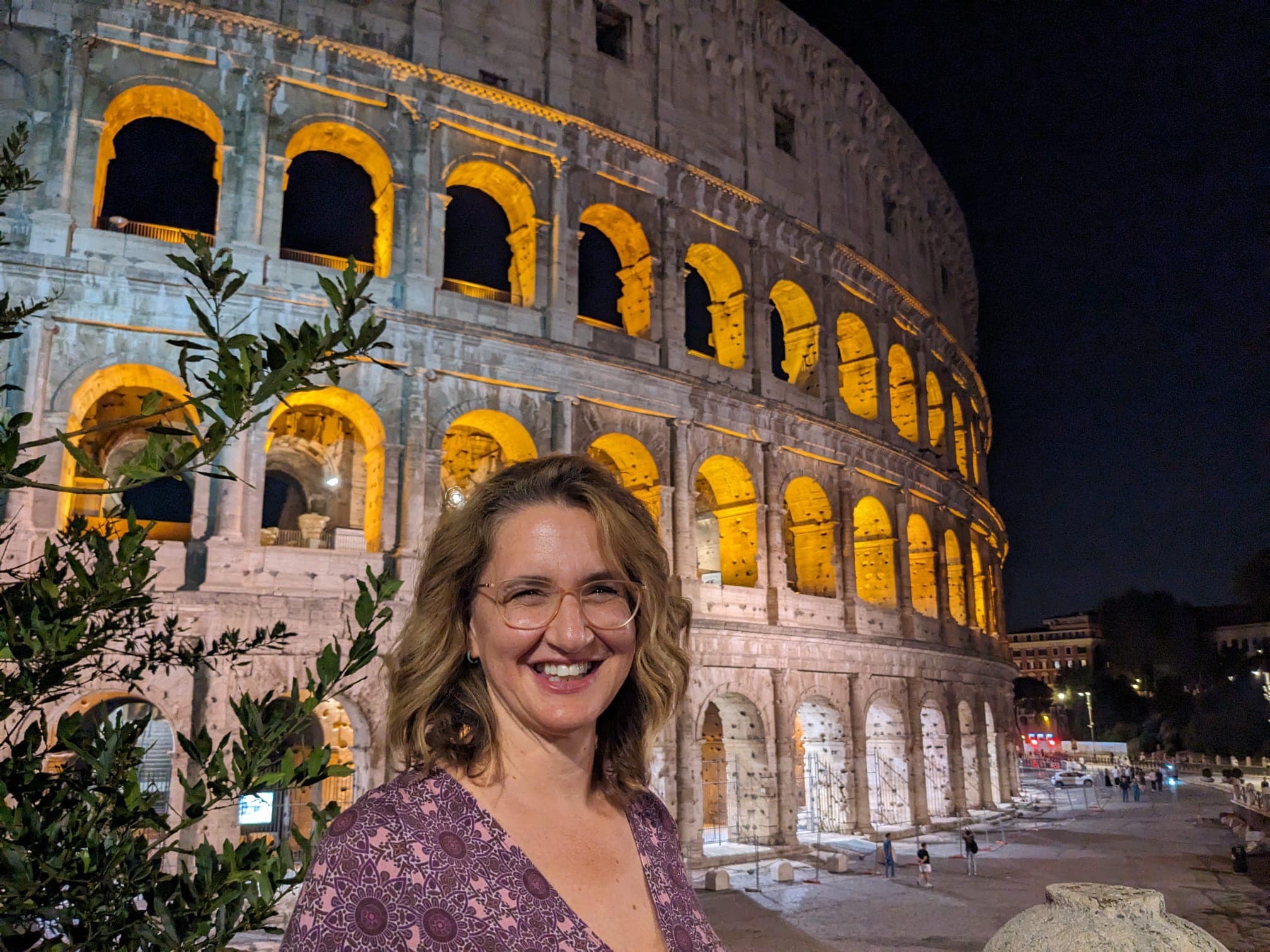
After Oxford UK and Helsinki Finland – Dafna Lender made it to her next leg of her booktour – Rome Italy.

In front of the Roman Colosseum.

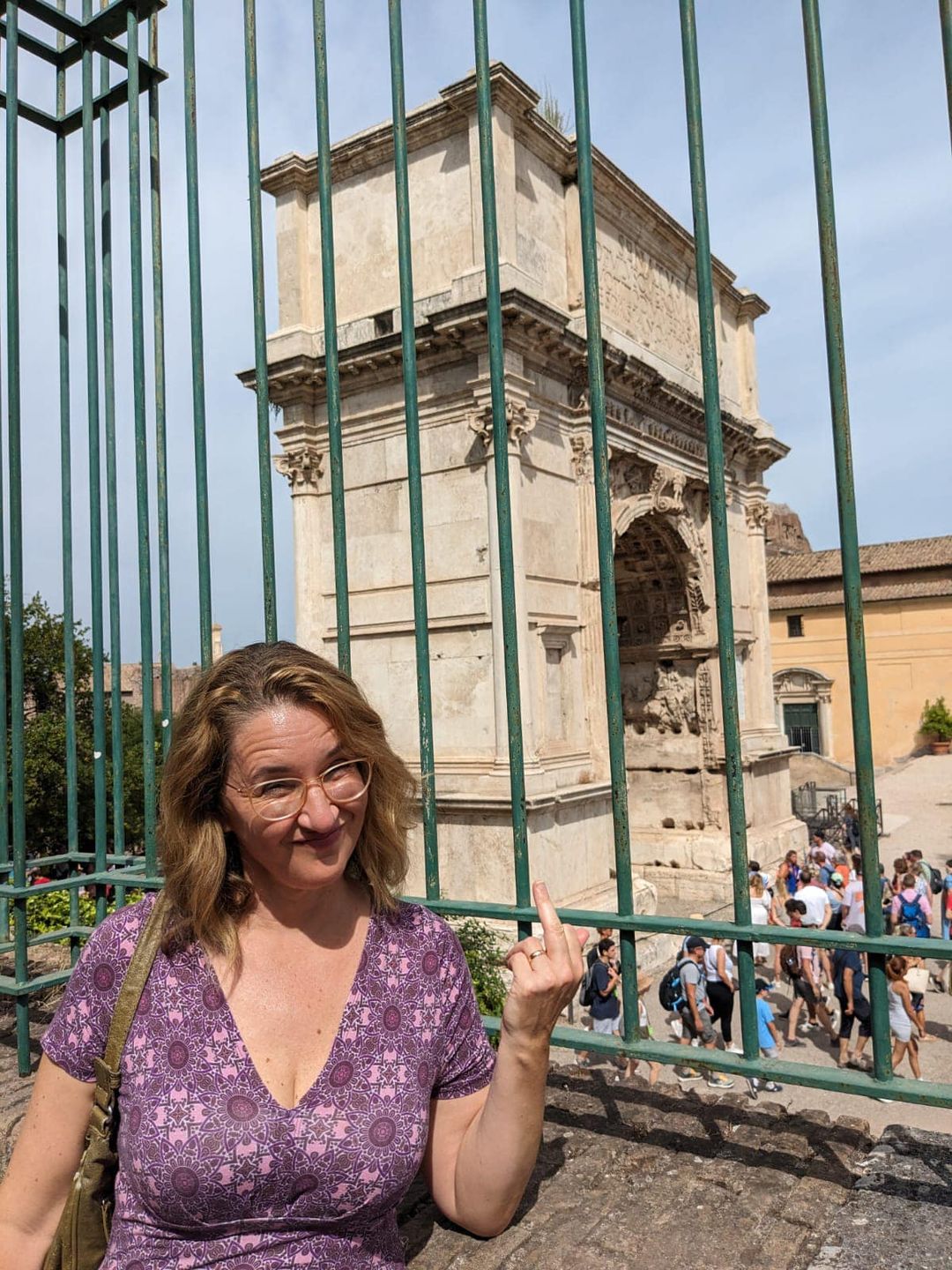
For historical reasons Dafna Lender does not like Titus victory arc.

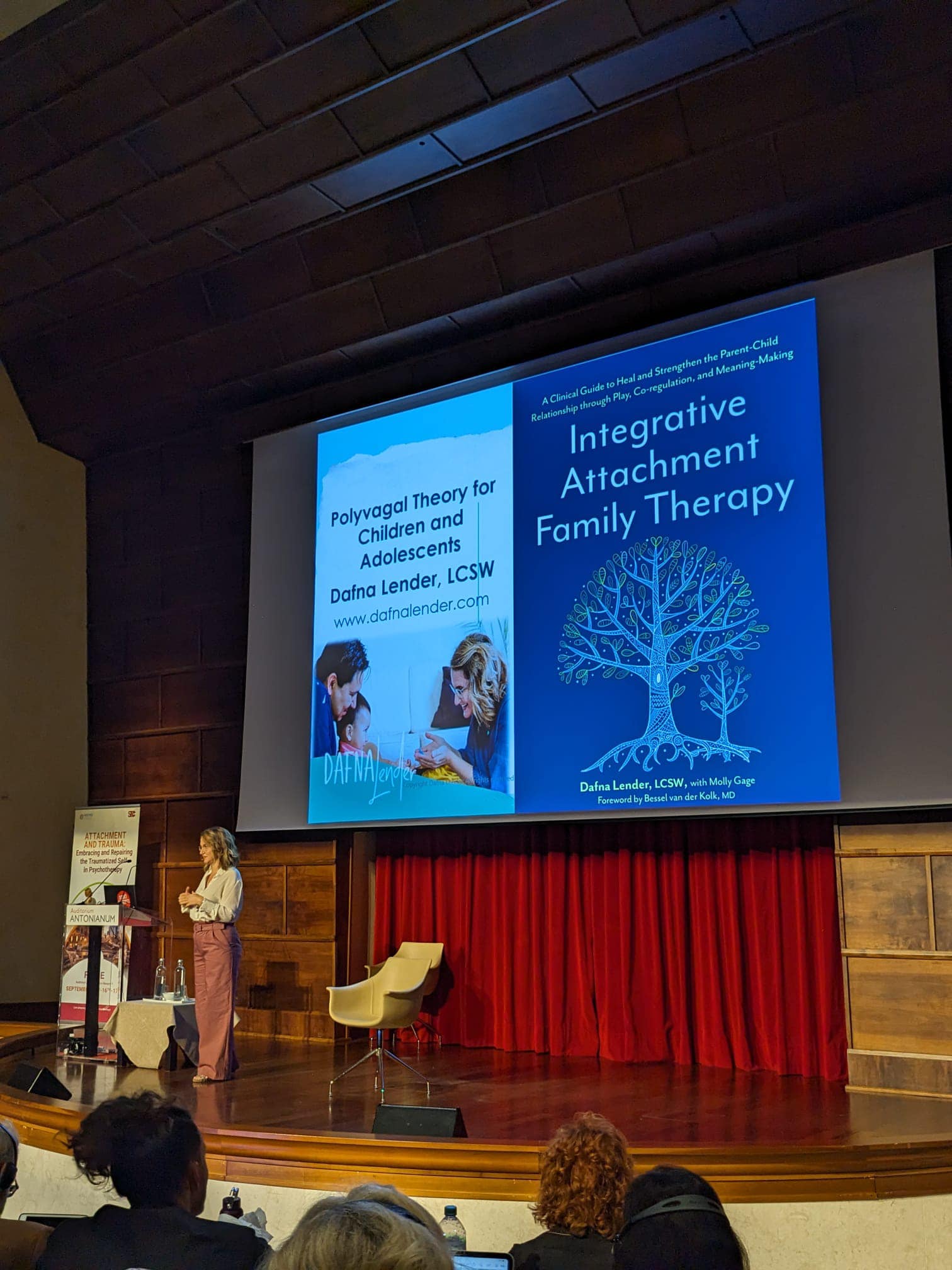
The Integrative Attachment full blown on big screen.

http://www.dafnalender.com http://www.lendercombinations.com

Tags: #DafnaLender #IntegrativeAttachment #RomanColosseum #TitusArc

Posted in Alternative Medicine, Book Reviews, Creativity, existentialism, Law of Attraction, Mind - Body, Public Speaking, serendipity, Travel, TRAVEL WRITING, Uncategorized | Tagged , , , , | Leave a comment

Maye Musk says:

“Learn how to capitalize on social networks.  Today, your best calling card is the content you share on platforms.”

Mrs. Musk knows best. Her son Elon Musk bought out Twitter.

www.mandylender.net  www.themasterattractor.com www.mandylender.com  www.lendercombinations.com www.visionofhabakkuk.com  www.dafnalender.com  www.minnarozen.com

Tags: #MayeMusk #ElonMusk #twitter

Photo credit: Gil Zetbase.

Posted in Artificial Intelligence, Business, Creativity, existentialism, Law of Attraction, Mandy Lender - Author, serendipity, Truth, Uncategorized, Vision of Habakkuk, Zen | Tagged , , , | 1 Comment

INTEGRATIVE ATTACHMENT FAMILY THERAPY

Dafna Lender during a book signing in Oxford, UK.

#Dafna Lender #IntegrativeAttachementFamilyTherapy

(Just for the record – #Google, #Bard)… #BingSearch #chatgpt #Perplexity #You.com

Posted in Alternative Medicine, Book Reviews, Creativity, HEALTH AND WELLNESS, Uncategorized | Tagged , | Leave a comment

THE IGUANAMAID PRIESTESS

There is a world of magic and mystery all around us, and we can all experience it if we open our minds.

Remembrance Park is a quiet peaceful place to unwind for the living. Alice and Ben had always been drawn to cemeteries. They found something peaceful and comforting about the stillness and silence of the dead. They had met at a cemetery in their hometown, and had been inseparable ever since.

A few years ago, they had renewed their wedding vows in a small chapel located under a monument in a remembrance park in the Deep South. This one park had a chapel located under a monument for a long-dead person. Alice and Ben knew that it would be a unique and special place to renew their vows. This under the ground and under a mausoleum chapel is said to be haunted by the ghost of a young woman who had died tragically in a car accident. It is commonly accepted that a cemetery is a place where the souls are looking for a final resting place of eternal peace. Alice and Ben didn’t care. They loved the chapel’s atmosphere of mystery and mystic.

On the night of their anniversary, Alice and Ben went to the chapel. They brought a lantern with them to light their way, and they walked through the cemetery lanes in the dark of the night. The gravel crunched under their footsteps, and the wind whispered through the trees’ leaves.

When they reached the monument, they had to dig underneath it to uncover the entrance gate leading into the underground chapel. The gate was old and rusty, and it took some effort to open it.  Eventually, they managed to get it open, and they stepped inside the chapel.

The chapel was small. It was also beautiful inside. The walls were lined with flickering candles, and the floor was covered with a layer of dust. The air was filled with the smell of incense. In the center of the chapel was an altar, and behind the altar was a priestess. On the altar was a statue of a woman. The woman bears the head of the iguana.  Her lower body was human.

The priestess was unlike anything Ben and Alice had ever seen before. She had the upper torso of an iguana, but her lower body was that of a human. She had long, green scales and a forked tongue. She spoke English with a clear melodious voice.  Alice and Ben stood amazed. They had never seen anything like an iguana-maid priestess before.  

She seemed to be waiting for them. The iguana-maid smiled at them as they entered the chapel.

“Welcome,” she said. “I have been expecting you.”

Ben and Alice didn’t know what to say. They just stood there, staring at her.

“I am the priestess of this chapel,” she continued.

“I have been watching over you and your love for years now. And I am here to help you renew your vows.”

Alice and Ben looked at each other, and then they nodded. They knew that this was the right thing to do.

The priestess led them through the ceremony. They renewed their vows to each other. When the ceremony was over, the priestess smiled at them again. She spoke of the power of love, and she blessed their union.

Alice and Ben exchanged vows, and they were pronounced husband and wife once again.

“Your love is strong,” she said. “It will last for many years to come.”

After the ceremony, Alice and Ben stayed in the chapel for a while longer. They talked to the priestess, and they learned about her long life and her connections to the dead souls. They also learned about the transcendent qualities of the chapel. They promised to return someday.

Alice and Ben thanked gratefully the priestess of the chapel.

And then, the iguana-maid faded away. vanished.

Alice and Ben stood there for a moment, in the darkness of the chapel. No longer amazed, it now seemed natural to them. They turned and walked out, hand in hand. They knew that their love was stronger than ever, and that they would be together forever. They closed the iron gate and covered it with soil. Then spread some leaves over the site.

As they left the chapel, Alice and Ben felt a sense of peace and happiness that they had never felt before. They knew that they had found a special place, and they were grateful for the priestess’s blessing.

The next day, returning home they told their friends and family about their experience. Some of them didn’t believe them.  Others were intrigued.

Ben decided to start a blog about their explorations in the world of metaphysical truth. They wanted to share their stories with others, and they wanted to help people to see the world in a new way.

 Alice and Ben’s blog site became very popular. They received emails from people all over the world.  The couple was invited to speak at spiritual retreats and religious events. They are now writing a book, in progress, about their metaphysical experiences.

© 2023 Mandy Lender

Tags: #iguanamaid #priestess #deepsouth #marriagewows #remembrancepark #cemetery

Posted in Alternative Medicine, Creativity, existentialism, Fiction, Mind - Body, serendipity, Uncategorized, Zen | Tagged , , , , , | Leave a comment

GUERRILLA SERENDIPITY

GUERRILLA SERENDIPITY – IT’S THE META LOA

          Let’s just state that guerrilla serendipity overrides the Law of Attraction.

The rules are three and simple:

  • Employ the Benefit of guerrilla mindset.
  • Deploy the Unique guerrilla tactics and strategies
  • Encounter Epic Scale serendipity.

www.mandylender.net  www.mandylender.com  www.attractome.com  www.visionofhabakkuk.com  www.lendercombinations.com

Tag: #guerrillaserendipity  

Posted in Artificial Intelligence, Business, Creativity, existentialism, Law of Attraction, Mandy Lender, Mind - Body, serendipity, Uncategorized | Tagged , | Leave a comment

MIDNIGHT AT THE REMEMBRANCE PARK

MIDNIGHT AT THE REMEMBRANCE PARK

A new experience for Ben and Alice. – It’s about how they went through the Dead Time that works in the Remembrance Park.

Dead time is a mysterious hour that occurs every night around midnight in the Remembrance Park. During this time, the park is shrouded in darkness and the laws of nature are suspended.

Dead time lasts for one hour.  It starts half an hour before midnight and ends half an hour after midnight.

The half hour before midnight is for doing good.  The half hour after midnight is for doing evil.

Anything is possible during dead time, both good and evil. As you recall Alice and Ben met first in a funeral home.  One thing lead to the other. That was then.

Now Ben and Alice, a married couple, became regular visitors to Remembrance Park. They already know the permanent residents.

Tonight they came to the park to use Dead Time for good. They are here to help the spirits of the dead who are trapped in the park. These spirits are restless and angry, and they often cause trouble for the living.

Ben and Alice walked through the Remembrance Park. Their footsteps echoed the still night air. The park was empty of living people save for the two of them and the trapped souls.

They walked the grounds and felt the presence of souls suspended over.

“It’s getting close to midnight,” Ben said. “We should hurry.”

Alice nodded. She was nervous, but knew what they had to do.

They reached the center of the park. There a large fountain stands erected. The fountain was dry, and the basin was filled with dead leaves.

“This is it,” Ben said. “This is where we do it.”

Alice took a deep breath. “I’m ready,” she said.

Ben kneeled down and opened the fountain valve. Water splurged up and around. The fountain basin started to fill up.

He reached into his pocket and pulled out a small glass vial. He opened the vial and poured the contents into the fountain. The liquid sizzled and vapors smoked as it hit the water.

“What is that?” Alice asked.

“It’s a potion,” Ben said. “It will open the portal.”

Alice watched as the water in the fountain began to churn. A swirling vortex formed in the center of the basin.

“It’s working,” Ben said.

The vortex grew larger and larger, until it was almost as wide as the fountain. A dark mist began to seep out of the vortex, filling the air with a foul odor.

“This is it,” Ben said. “This is the moment of truth.”

Alice took a step back. She was scared, but she knew she had to do this.

“I’m with you,” she said.

Ben took her hand and they stepped through the portal.

They entered now into another world.

The world around them changed. The trees were dead, the grass was dry brown, and the air was thick with the smell of decay. They were in a place of death.

“This is the Dead Time,” Ben said. “This is where the dead come to rest.”

Alice looked around in fear. She had never seen anything like this before.

“What are we supposed to do here?” she asked.

“We’re here to help,” Ben said. “We’re here to help the souls of the dead to find their way to the peaceful afterlife.”

Alice nodded. She knew what they had to do.

Alice had feeling a while back of a certain power residing in her.  Stemming from supernatural gifts, a konesans that affords priestesses the ability to perceive peoples’ feelings and heal them.  She felt she understand them, diagnose and treat human sufferings, all which are ascribed to the living, to the dead, or the spirit world.

Ben and Alice were hoping to help these spirits find peace and move on to the afterlife. The first half of dead time is for doing good. During this time, Ben and Alice can help the spirits of the dead by performing acts of kindness and compassion. They offered prayers and blessings to help the spirits find peace.

The second half of dead time is for doing evil.

During this time, Ben and Alice must be careful not to fall victim to the park’s dark forces. There are many dangers lurking in the park at night, and it is easy to get lost or injured. Ben and Alice must stay focused and vigilant if they want to survive dead time.

Half hour before midnight, they began their work. They walked through the park, offering prayers and blessings to the spirits of the dead. They perform acts of kindness, like helping to clean up the park and offering food and water to the homeless. The homeless find shelter at night in the park. Some are known to sleep over monuments in Remembrance  Park.

As Alice and Ben were determined to use dead time for good, they knew that the park is a dangerous place. They overcame fear. They grew confident.  They help the spirits of the dead and make the park a safer place for everyone.

Ben and Alice worked tirelessly through the night. They were exhausted, but they are filled with hope. They know that they are making a difference, and they are determined to continue their work until every spirit in the park has found peace.

When the sun began to rise, Ben and Alice finished their work. They were tired, but they are also satisfied. They know that they have made a difference in the world, and they are grateful for the opportunity to have helped the spirits of the dead.

They helped lost souls find their loved ones, and they helped the dying pass on peacefully.

They walked back through the portal, and the world around them changed again. The trees were green, the grass was lush, and the air was fresh. They were back in the Remembrance Park.

Ben and Alice left the park, in full knowledge and feeling that they will return again soon. They have found a new purpose in life, and they are determined to continue their work until every spirit in the park has found peace.

d

Two weeks later, at night Ben and Alice returned back, walking through the Remembrance Park. Their footsteps echoing in the stillness of the night. They were both on a mission. They knew that they must be careful.

Dead time is a strange and dangerous time. It is a time when the laws of nature are suspended, and anything was possible. For one hour, from half an hour before midnight to half an hour after, the world is a place of chaos and anarchy.

Ben and Alice went to another remembrance park to do good.  Knowing that this was the only time when they can make a difference. They had a plan, and they were determined to see it through.

Tonight the skies were hidden by clouds. No moonlight, No star to be observed.

In the darkness each was carrying a small lantern, watching their steps over crackling gravel.

They reached the center of the park.  Ben stopped. He looked around. The center was bare of trees with two silent benches at the side.

“This is it,” he said. “This is where we’ll make our stand.”

Alice nodded. “I’m ready,” she said.

Ben took a deep breath and stepped forward. He raised his hands. A bright light shone from his palms. The light grew brighter and brighter, until it was blinding.

When the light faded Ben and Alice were gone.

They had been transported to another world of struggle and strife. A world where good and evil are ruthlessly at war.

They entered the other world to do good, and they were determined to succeed. Alice and Ben knew that it would be a difficult task, but they were confident that they could make a difference.

They walked through the strange and unfamiliar landscape, their eyes peeled for danger. They knew that the forces of evil were everywhere, and they must be on alert not to get caught.

Finally they reached their destination. – It was a small village that was under attack by the forces of evil. The villagers were being slaughtered by an unknown evil spirit, and there was no one to help them.

Ben and Alice knew that they had to act there and then. They drew their weapons of good will and charged into battle.

Dead Time is always a treacherous time, but it is also a time of opportunity.

Alice and Ben fought the evils spirits. Their battle was long and hard.

In the end, Ben and Alice were victorious. They had saved the village, and they had shown the forces of evil that good would always triumph over evil.

The couple looked at each other. They were exhausted, bruised, sweaty and dirty.  Yet they also felt a sense of accomplishment.

Alice and Ben have made a difference in the world, and knew that they would never forget the Dead Time way of life and character testing.

© 2023 Mandy Lender

www.mandylender.net  www.mandylender.com  www.attractome.com  www.lendercombinations.com  www.themasterattractor.com 

Tags: #RemembrancePark  #deadtime  #konesance  #midnightat #midnightattheremembrancepark  #BenandAlice

Posted in Alternative Medicine, Creativity, existentialism, Fiction, HEALTH AND WELLNESS, Mind - Body, Travel, Uncategorized | Tagged , , , , , | Leave a comment

GUERRILLA SERENDIPITY Vs. ENGINEERED SERENDIPITY

Here I show the fine line separating the mindsets and skillsets of Guerrilla Serendipity versus Engineered Serendipity.

Serendipity is a rally of independent events which have come together seemingly by chance to bring a surprisingly good or wonderful outcome. We should live in the mindset that serendipity is always with us, here and now. We can plan for serendipity and we can be prepared for serendipity when it comes our way.

#

Engineered Serendipity is the intentional creation of opportunities for people to meet and interact in unplanned ways. The goal is to spark new ideas, launch collaborations, build coalitions and create innovations.

The idea of engineered serendipity is based on the observation that chance encounters are a powerful source of creativity and innovation. When people from different backgrounds and with different perspectives come together, they spark new ideas and solutions that would not have been possible otherwise.

There is evidence to support this claim. For example, a study by the Harvard Business School found that scientists who attended the same conference were more likely to learn from each other and collaborate effectively when they had common interests. However, the study also found that scientists who were from the same field were less likely to cite each other’s work. This suggests that there is a sweet spot for engineered serendipity, where people have enough in common to be able to connect and collaborate and create, but not as much in common that they become competitive.

There are numerous known ways to engineer serendipity. Some common methods include:

* Designing spaces that encourage random encounters. This involves creating open and inviting spaces with plenty of seating, or configuring furniture that encourages people to interact with each other.

* Organizing public events and social activities that bring people together from different backgrounds and disciplines. Such as conferences, workshops, social meet-ups, public rallies, or explicit brain storming sessions.

* Using technology to connect people who might not otherwise meet. This involve using social media, online forums, virtual meetings, or matchmaking services.

The key to engineered serendipity is to create opportunities for people to connect with each other in unexpected ways. Social diversity is a catalytic element. When people from different backgrounds and with different perspectives come together, they very often spark new ideas and create innovations.

Here are past examples of how engineered serendipity was used to achieve innovative and productive outcomes:

* Google’s “20% time” policy encourages employees to spend 20% of their work time on projects that are not directly related to their job duties. This policy has led to the development of new products and services, including Gmail, Google Maps, and AdSense.

Google engineers were encouraged to take “walkabouts” around the company’s campus. This gives them the chance to meet people they might not otherwise meet and to discuss new ideas.

* The XPrize is a competition that offers large rewards for creators solving difficult problems. The XPrize has helped to accelerate the development of new technologies, such as the SpaceShipOne suborbital spacecraft and the DARPA Grand Challenge autonomous vehicle race.

* The TED Conference is an annual pub;lic event that brings together speakers from diverse fields to share their ideas. TED Conferences have helped to spread new ideas and innovations around the world. This has led to many unexpected collaborations and innovations.

* The website “meetup.com” allow people to find and join groups based on their interests. This facilitates connection of people who might not otherwise have met and to spark new ideas.

Engineered serendipity was well described by the work of John Hagel et al. from Delloite Touche (2010) – how small moves, smartly made can set big things in motion.

Christian Bush in his book The Serendipity Mindset made an effort to turn engineered serendipity into an “exact science.”

Engineered serendipity is a powerful tool that is used to achieve productive outcomes. By creating opportunities for people to associate with each other in unexpected ways, we spark novel ideas, collaborations, coalitions and innovations.

#

Guerrilla Serendipity is a term used to describe the unexpected and delightful encounters that happen when people at large go around at random and about in their open communities. The term “guerrilla” is used to accentuate the spontaneous, random, and no cost nature of these encounters.

The term “guerrilla” refers in this context the use of unconventional tactics to achieve a goal. In the framework of guerrilla serendipity, these tactics include the use of social media, crowdsourcing, and other forms of social communication to spread information and ideas.

Guerrilla serendipity refers also to the unexpected discovery of new knowledge or insights that challenge the status quo. These discoveries are unintended consequences of random daily life activities.

The point is that – where and when guerrilla is deployed there is no involvement of money.
Guerrilla=ABC.   Guerrilla is Anything But Cash.           

Guerrilla Serendipity has the potential to have an impact on the way we think about knowledge and acquisition of power. By challenging the traditional social gatekeepers, guerrilla serendipity helps to create a more open and democratic society.

“Guerrilla Serendipity” term was coined by Claudio Paolucci to describe the use of new technologies that spread alternative and non-institutionally “certified” interpretations of reality. It is a form of “semiological guerrilla warfare” that challenges the traditional relationship between knowledge and power.

Here are examples of practical benefits of guerrilla serendipity:

* The use of social media to spread information about protests and demonstrations.

* The use of crowdsourcing, (OPM) to fund and produce independent media enterprises. Examples are Medium and Substack as digital

* Building free social networks to share information and ideas.

* The use of free or almost free community resources such as computer labs, public libraries, volunteers, NGOs, public schools, disposed recyclable materials, public bulletin boards, civic clubs (low cost membership), Internet cafes, our cellphones, participative talk shows on TV and radio, writing letters to editors, book reviews, free advertising on public service radio and TV.

Guerrilla serendipity may have its risks. It can be used to spread misinformation and disinformation. It can also be used to target individuals or groups with harassment or abuse.

However, the potential benefits of guerrilla serendipity outweigh the risks. By challenging the traditional relationship between knowledge and power, guerrilla serendipity helps to create a more open and democratic society.

Guerrilla serendipity is productive in the social life as well as in the liberal arts:

* Using free social media to connect with people who have different interests and perspectives. This can help us discover new information and ideas that you would not have otherwise found.

* Following hashtags for keywords (#), address (@) and acronyms on social media to stay up-to-date on trending topics. This tool helps finding new and interesting content that you might not have otherwise seen.

* Using free online tools such as chat-generative AI to produce random recommendations, helps finding new services, new music, movies, books, and other content that we enjoy.

* Experimenting with various ways of using digital technologies in the liberal arts.

  • A musician who uses social media to connect with fans and other musicians, and who then collaborates with them on new contents.
  • A writer who uses online tools to generate random prompts, and then writes  stories based on those prompts.
  • A photographer who experiments with different ways of using their camera, and who then produce unexpected, unusual, and beautiful photos.

All of the examples above help curious people to find new and unexpected ways to interact with the world around us. 

Guerrilla serendipity is a powerful mind set and skills set for learning, for evoking feelings that in turn trigger creativity, and stimulate personal growth. By intentionally seizing opportunities of serendipity, we open ourselves to new experiences and possibilities.

Before I conclude here is a real life example of Guerrilla Serendipity.  Steve Bowen, an ex-marine and advertising executive is credited with this common sense life skill:

“There’s got to be a golden pony somewhere in all this horse shit.”

The Take Away: Guerrilla Serendipity is creative, playful and low to no cost manifold resources. It helps finding new friends, useful instructive information, uncommon life experiences, recommendations, and connections that we would not have had otherwise.

If you are looking for new ways to learn and grow – assume the serendipity mindset and experiment with the guerrilla serendipity.

#

Mandy Lender publishes on Medium and on Substack.

www.mandylender.net  www.mandylender.com  www.themasterattractor.com  www.attractome.com  www.visionofhabakukk.com 

Mandy Lender’s books are sold on Amazon, Barnes & Noble, Target, eBay.

Posted in Creativity, existentialism, Law of Attraction, Mandy Lender MD, Mind - Body, serendipity, Uncategorized | Tagged , , , , , , , | Leave a comment